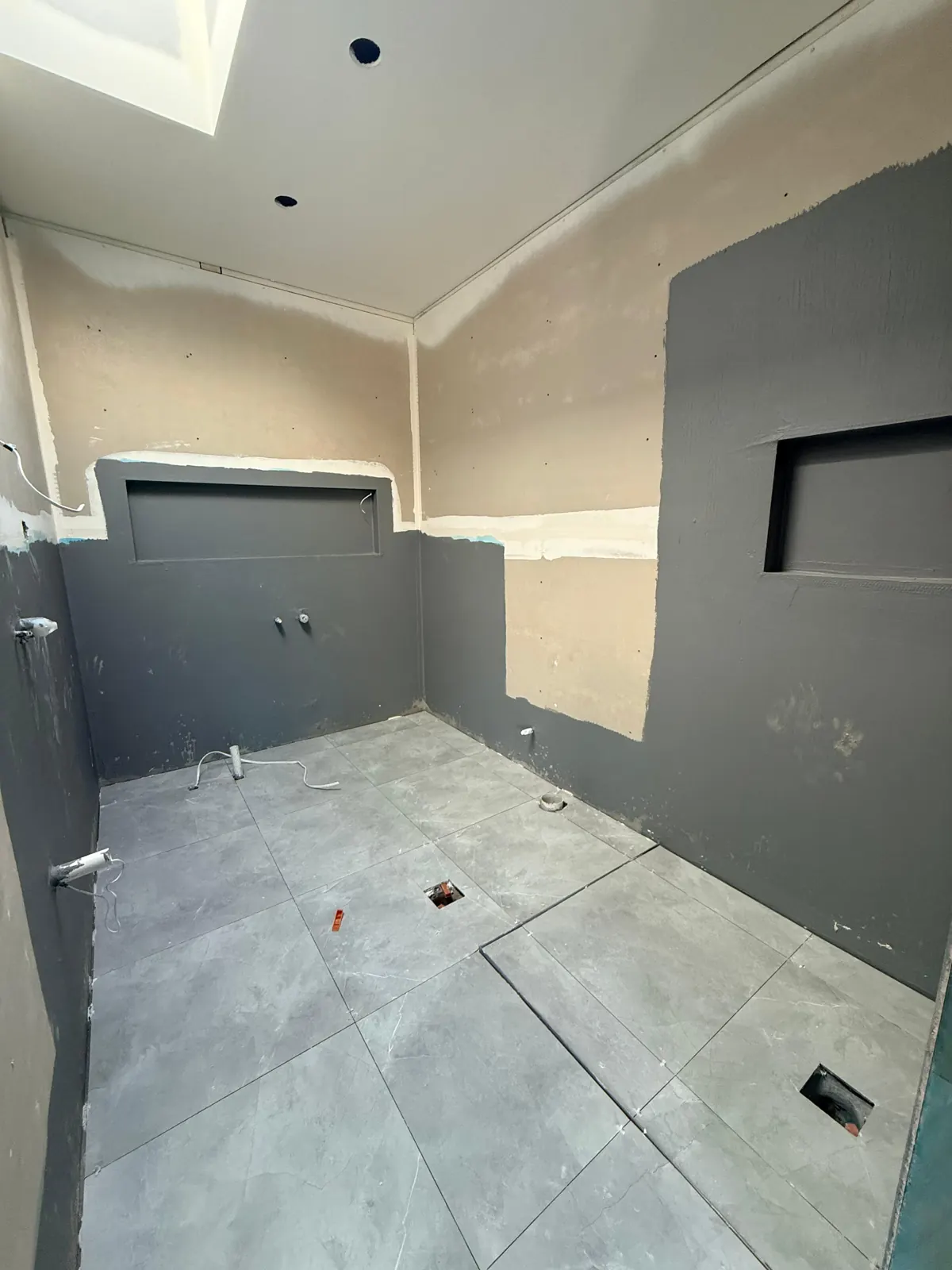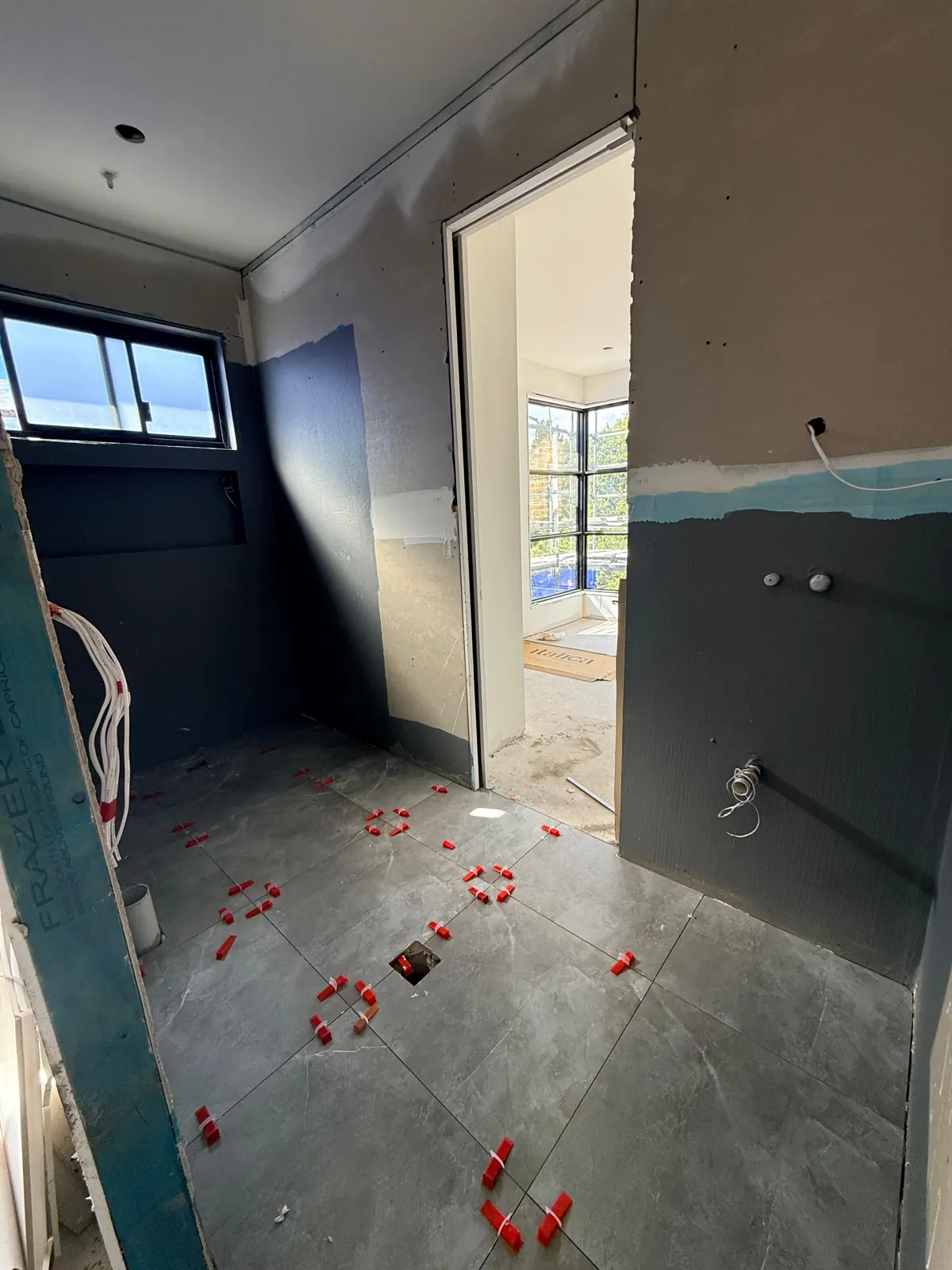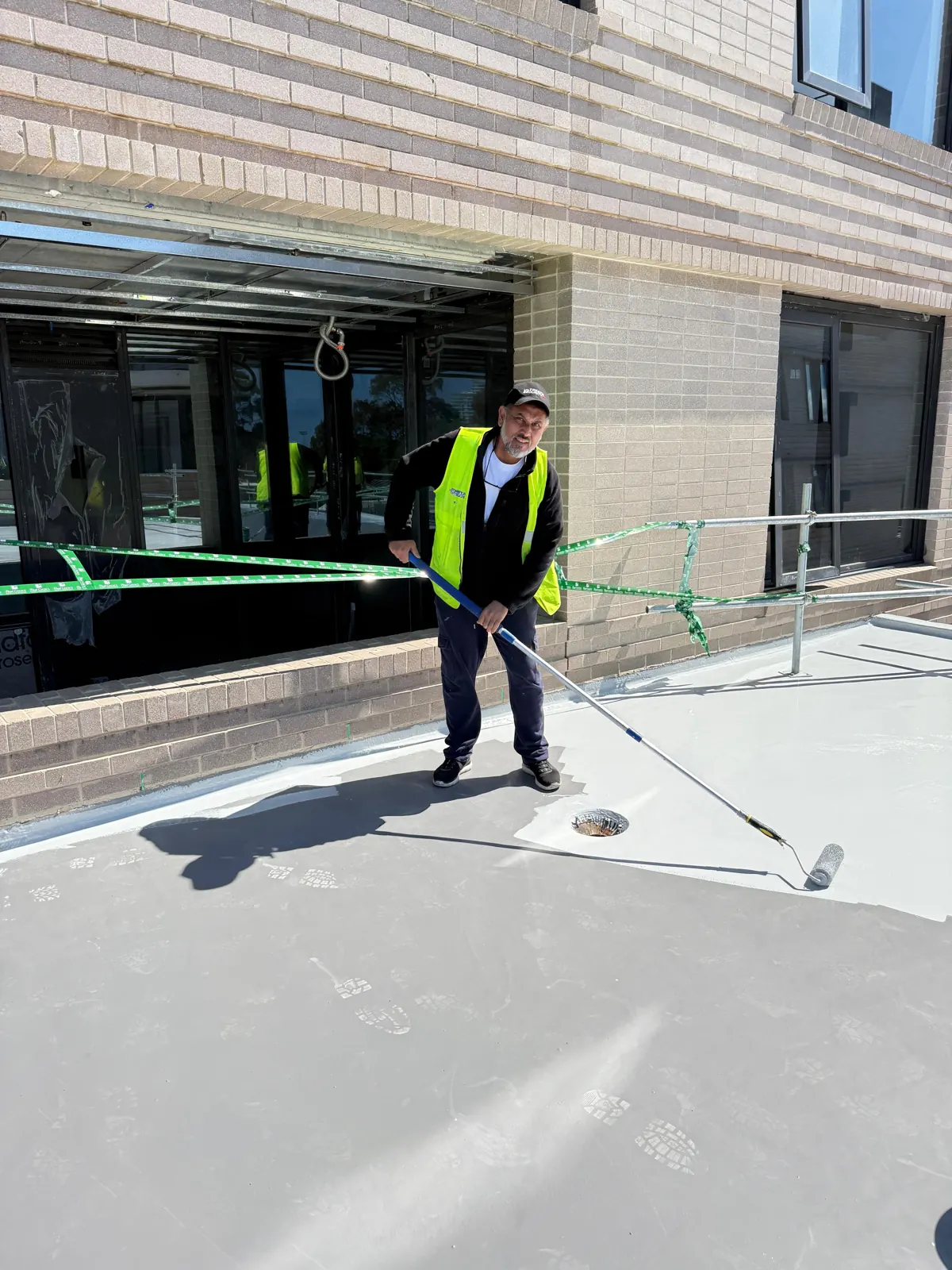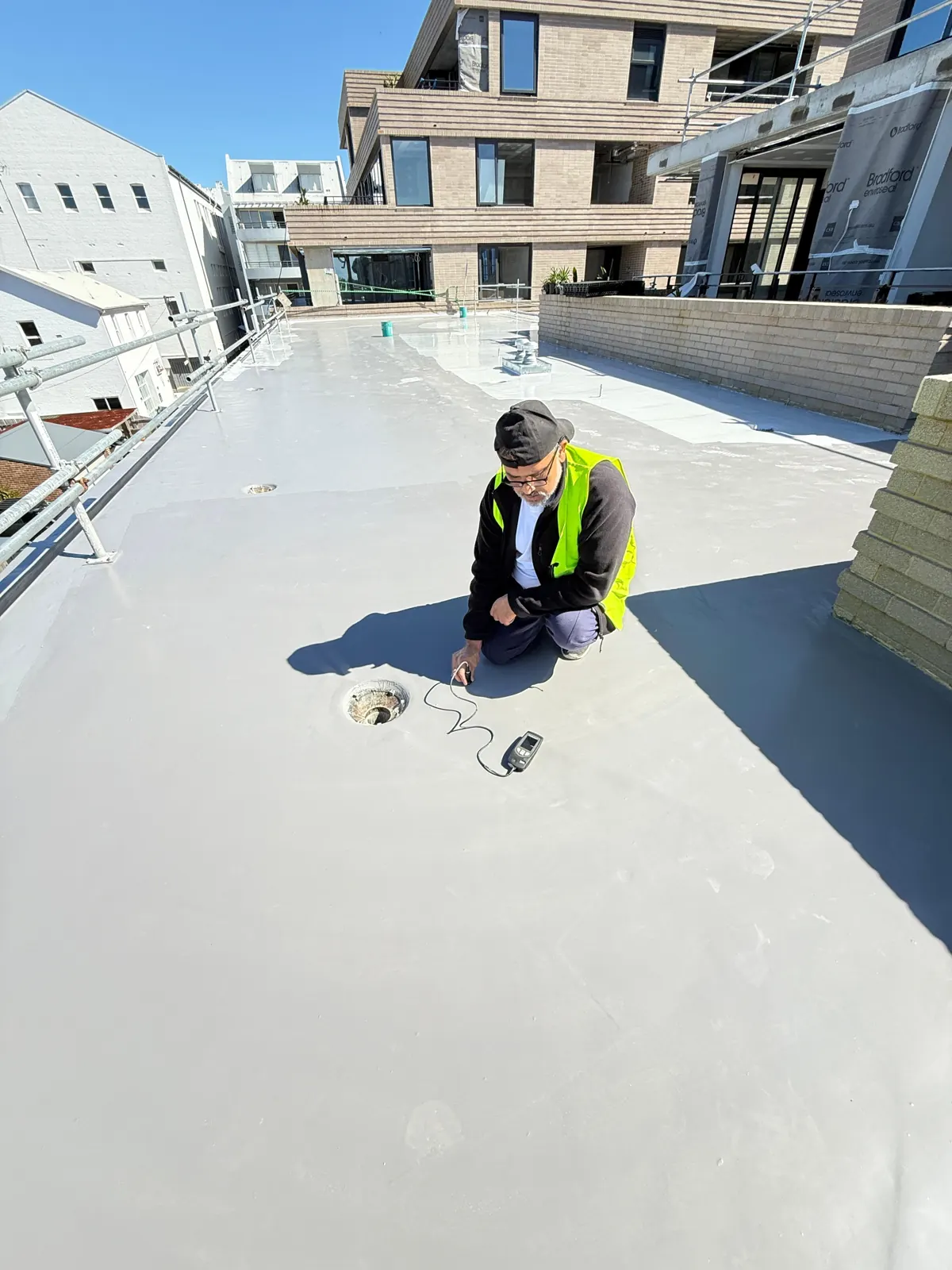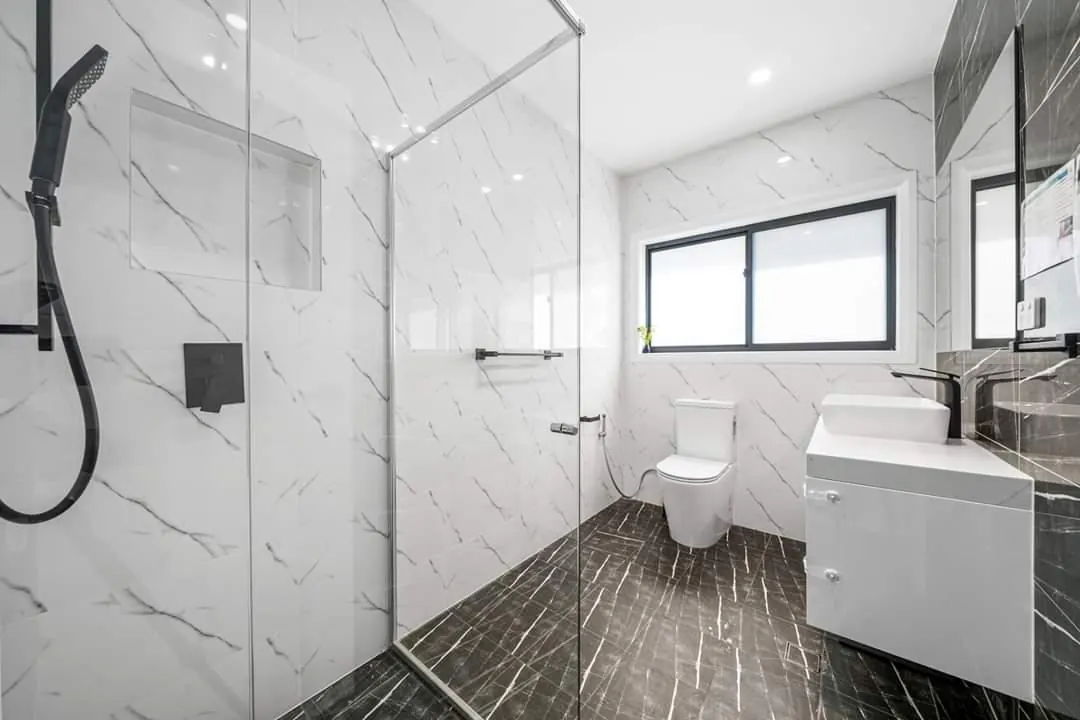
A bathroom is the hardest-working room in any home, and the waterproofing membrane hidden under the tiles is what stops water escaping into your walls, subfloor and the rooms below. When it fails, the damage is slow, silent and expensive: swollen timber, mould, lifting tiles and ceilings that stain from underneath.
Best Painting & Waterproofing installs bathroom waterproofing systems for Sydney homeowners, renovators and builders. Every job is prepared, detailed and inspected to AS 3740 – Waterproofing of domestic wet areas and the National Construction Code, so your tiler has a sound, compliant base and you have peace of mind for years to come.
Signs you need bathroom waterproofing
- Grout or silicone that keeps cracking or turning black
- Loose, drummy or lifting floor tiles
- Water stains or bubbling paint on the ceiling below
- Musty smell that returns after cleaning
- Swollen skirting boards, door jambs or vanity bases
- Mould spots on walls outside the shower area
Complete bathroom waterproofing for renovations & new builds
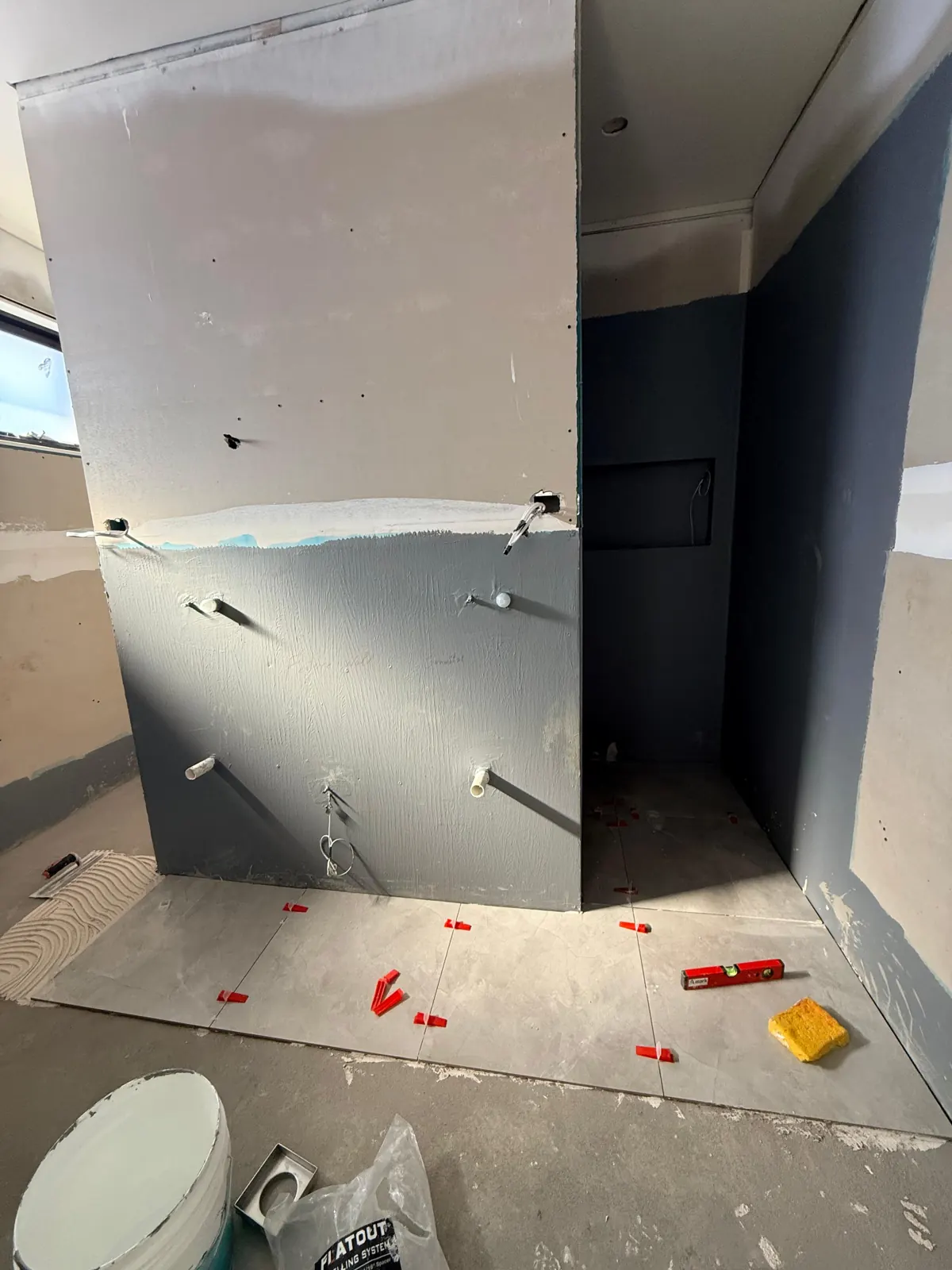
We handle the full wet-area sequence between your builder or plumber and the tiler. That means we arrive after the rough-in, prepare the substrate properly and leave a fully cured, tested membrane ready for screeding or tiling.
What is included
- Substrate inspection, grinding and cleaning of dust, curing compounds and contaminants
- Priming to suit sheet, render or concrete substrates
- Bond breakers and flexible sealant to every wall/floor and wall/wall junction
- Puddle flanges and reinforcing collars at floor wastes and pipe penetrations
- Two coats of a certified liquid membrane applied to manufacturer thickness
- Waterstop angles and hobs at the shower and doorway
- Flood test and photo record before handover
Standards and compliance
Domestic wet areas in NSW must comply with the National Construction Code, which references AS 3740. The standard sets out which areas must be waterproof versus water resistant, how junctions and penetrations are treated and the falls needed to drain water to the waste. We follow the membrane manufacturer's system requirements and provide a written compliance certificate for your certifier, builder or insurer.
Liquid vs sheet membranes
Most bathrooms suit a flexible, polyurethane or acrylic liquid-applied membrane: it follows every corner and penetration with no laps to fail. For large or heavily trafficked commercial wet areas we may recommend a reinforced or sheet system. We explain the options and the reasons for our recommendation in your quote.
Our bathroom waterproofing process
-
1
Inspection & scope
We inspect the room, check falls and substrate and confirm the waterproofing scope with you or your builder.
-
2
Preparation
Surfaces are cleaned, repaired and primed. Junctions are sealed and bond breakers installed.
-
3
Detailing
Floor wastes, pipe penetrations, hobs and waterstops are reinforced before the main membrane goes down.
-
4
Membrane application
Two full coats of certified membrane are applied to the required dry film thickness and left to cure.
-
5
Flood test & certificate
We flood test, photograph the work and issue a compliance certificate so tiling can proceed with confidence.
Why choose us for bathroom waterproofing
Licensed, insured waterproofing specialists — not a side job for the tiler
Membranes certified to AS 4858 installed to AS 3740
Every junction and penetration reinforced
Photo documentation and written compliance certificate
Coordinated scheduling with builders, plumbers and tilers
Written workmanship warranty