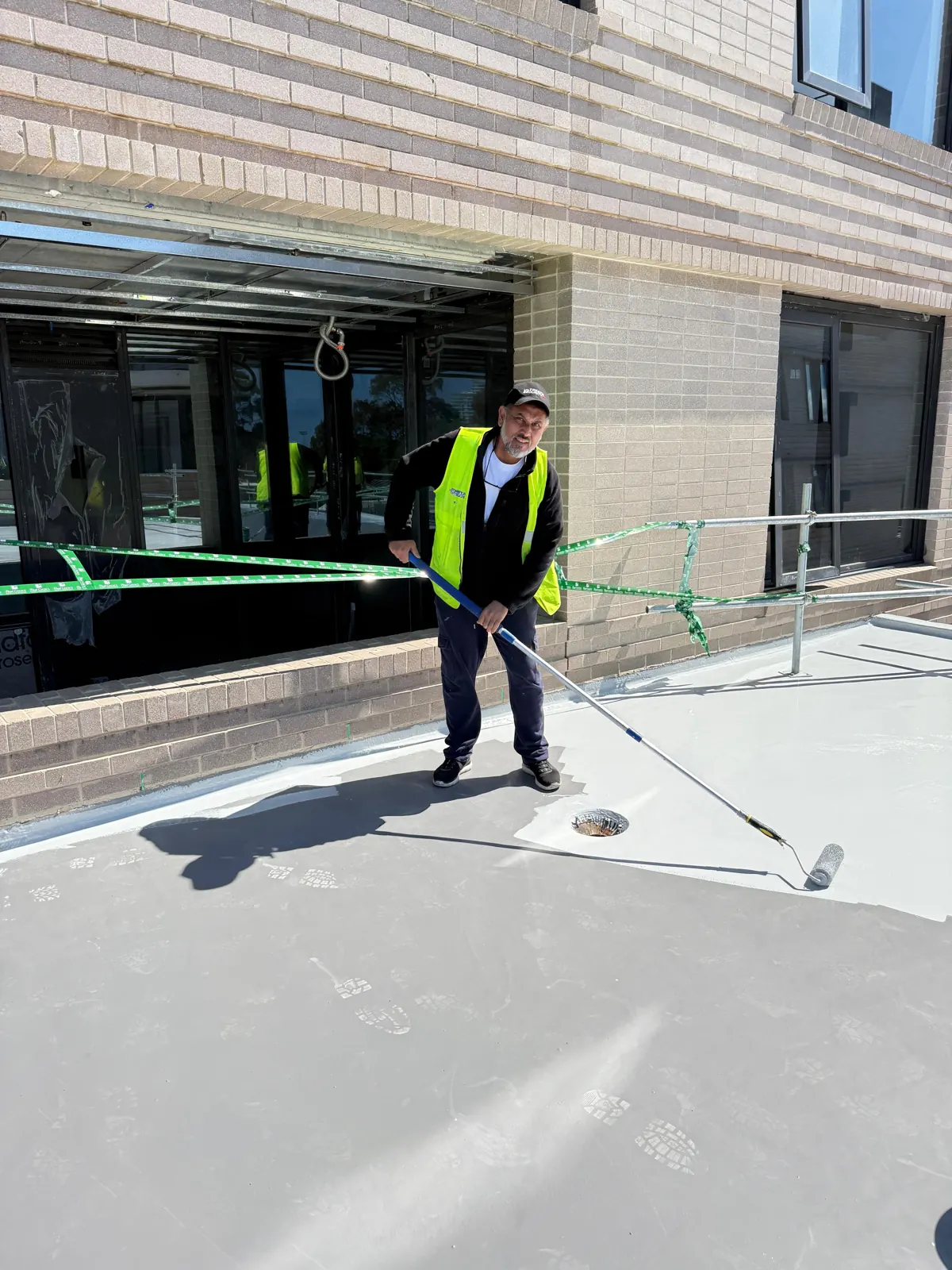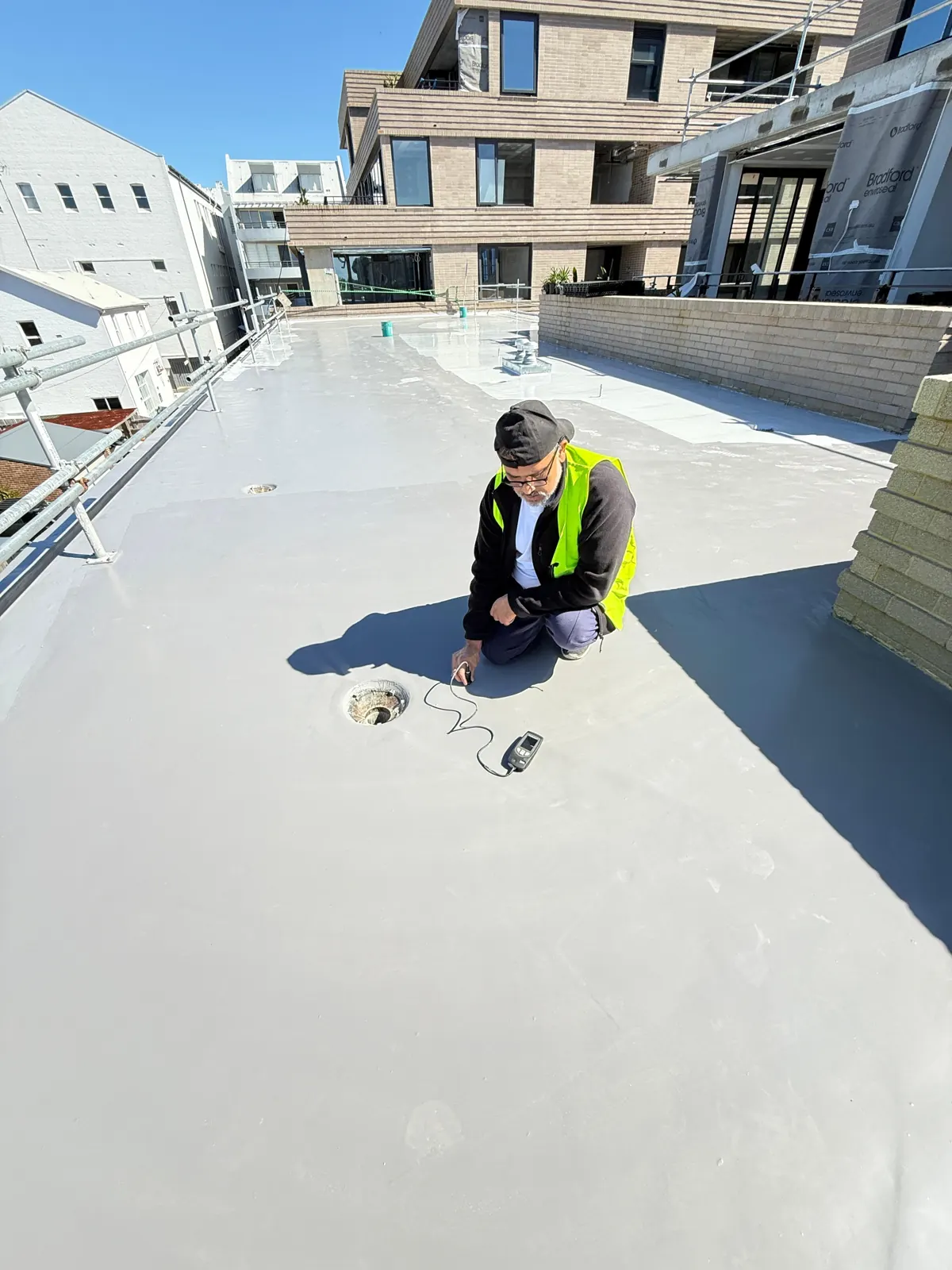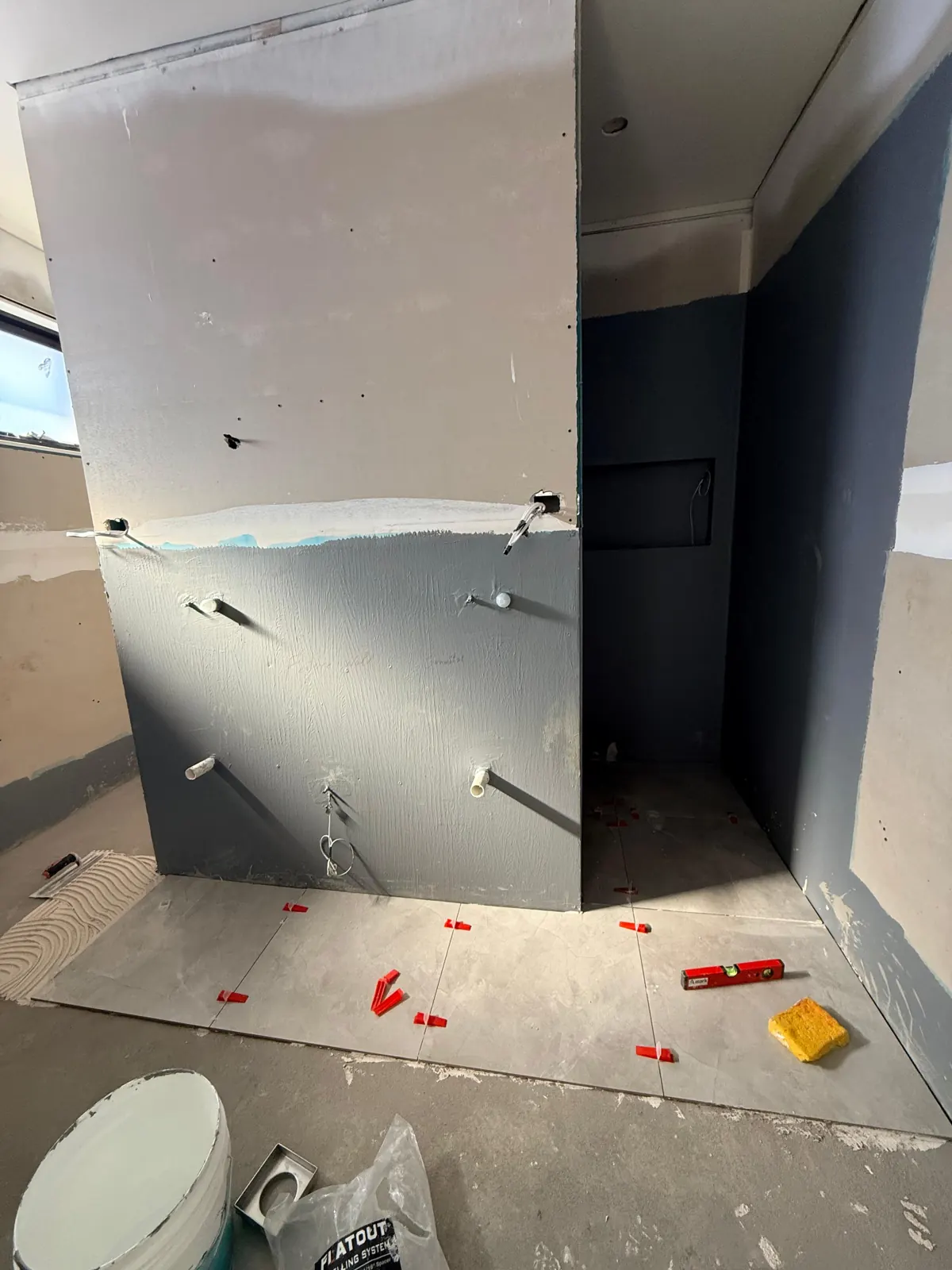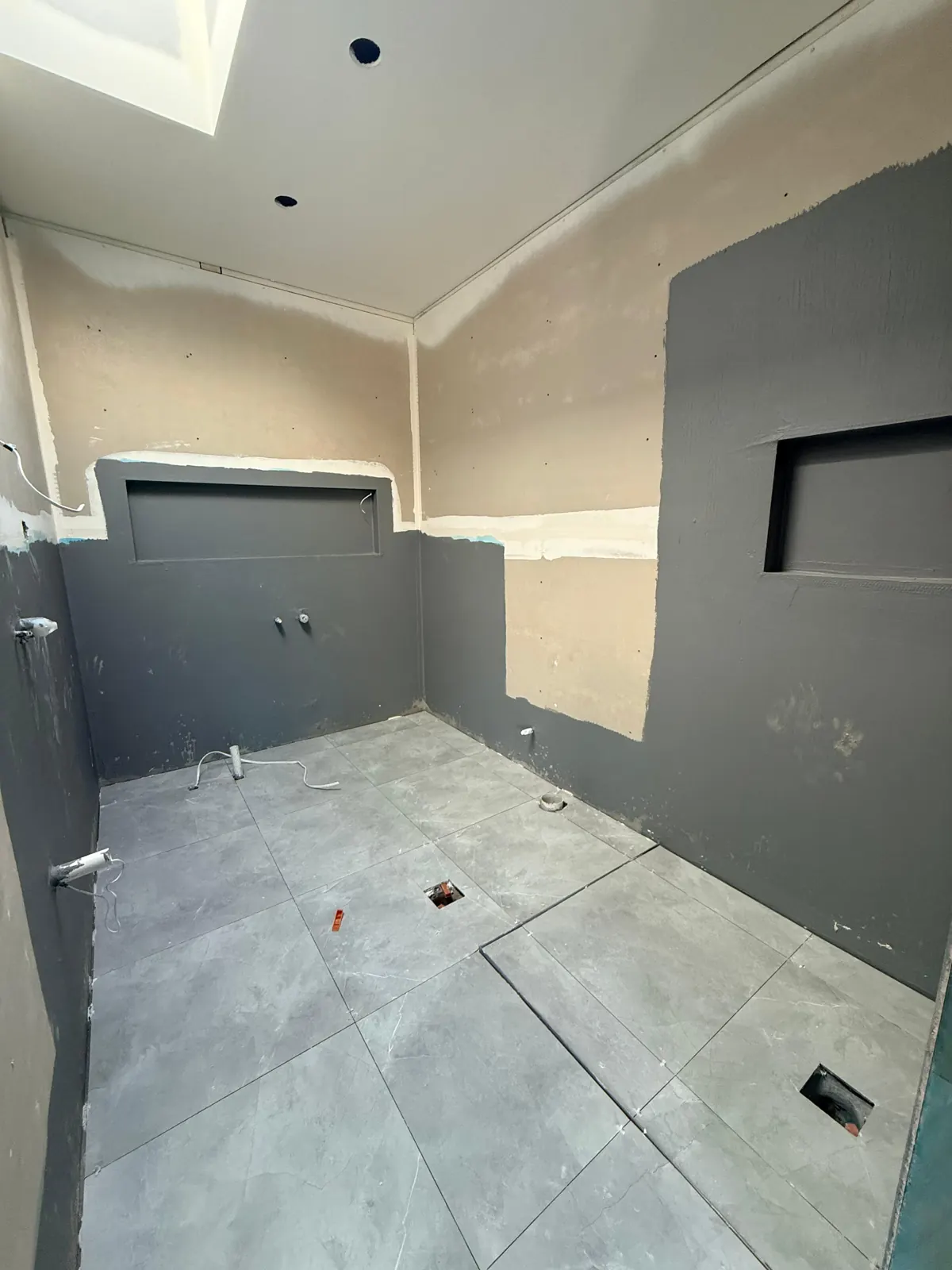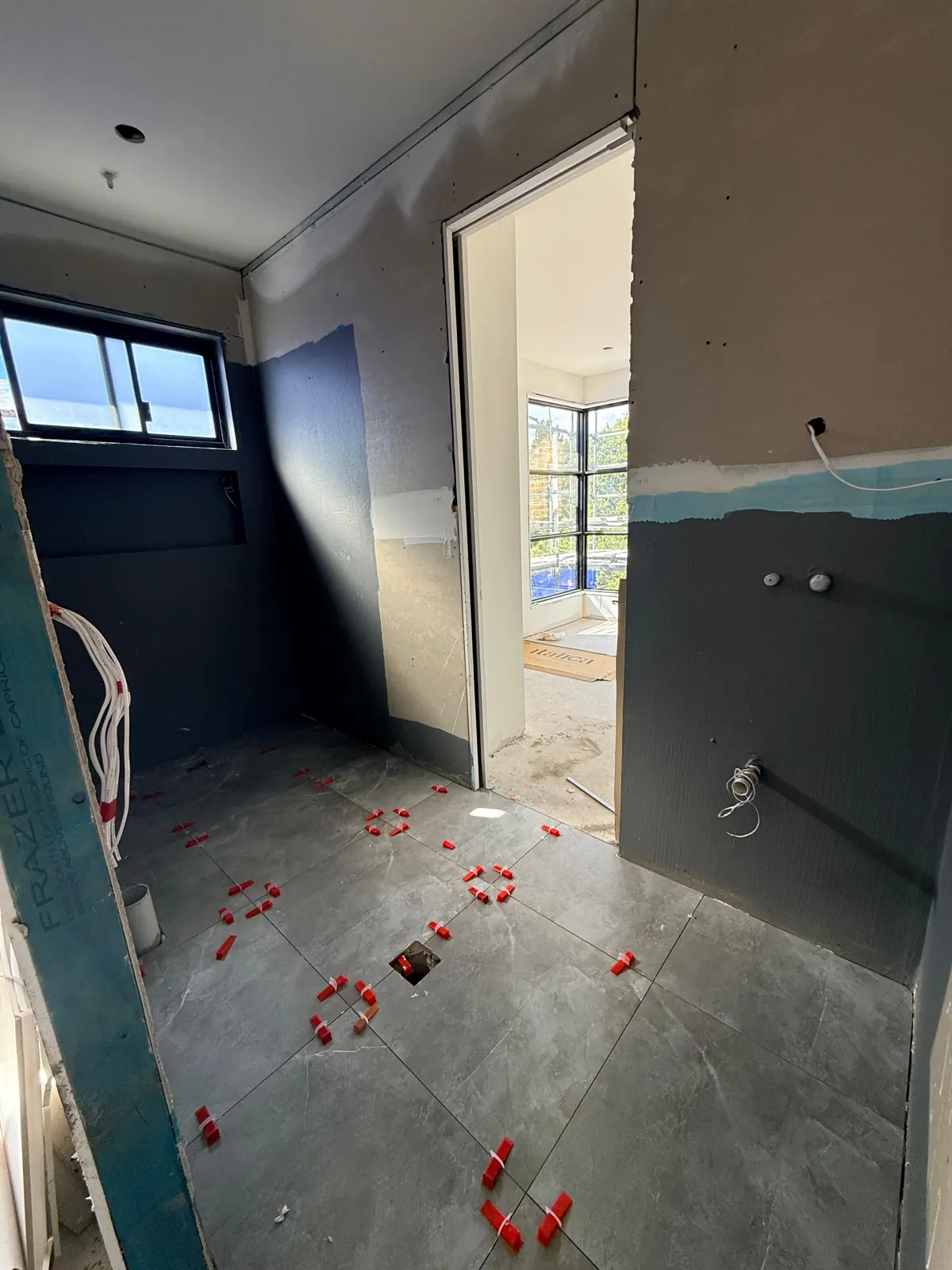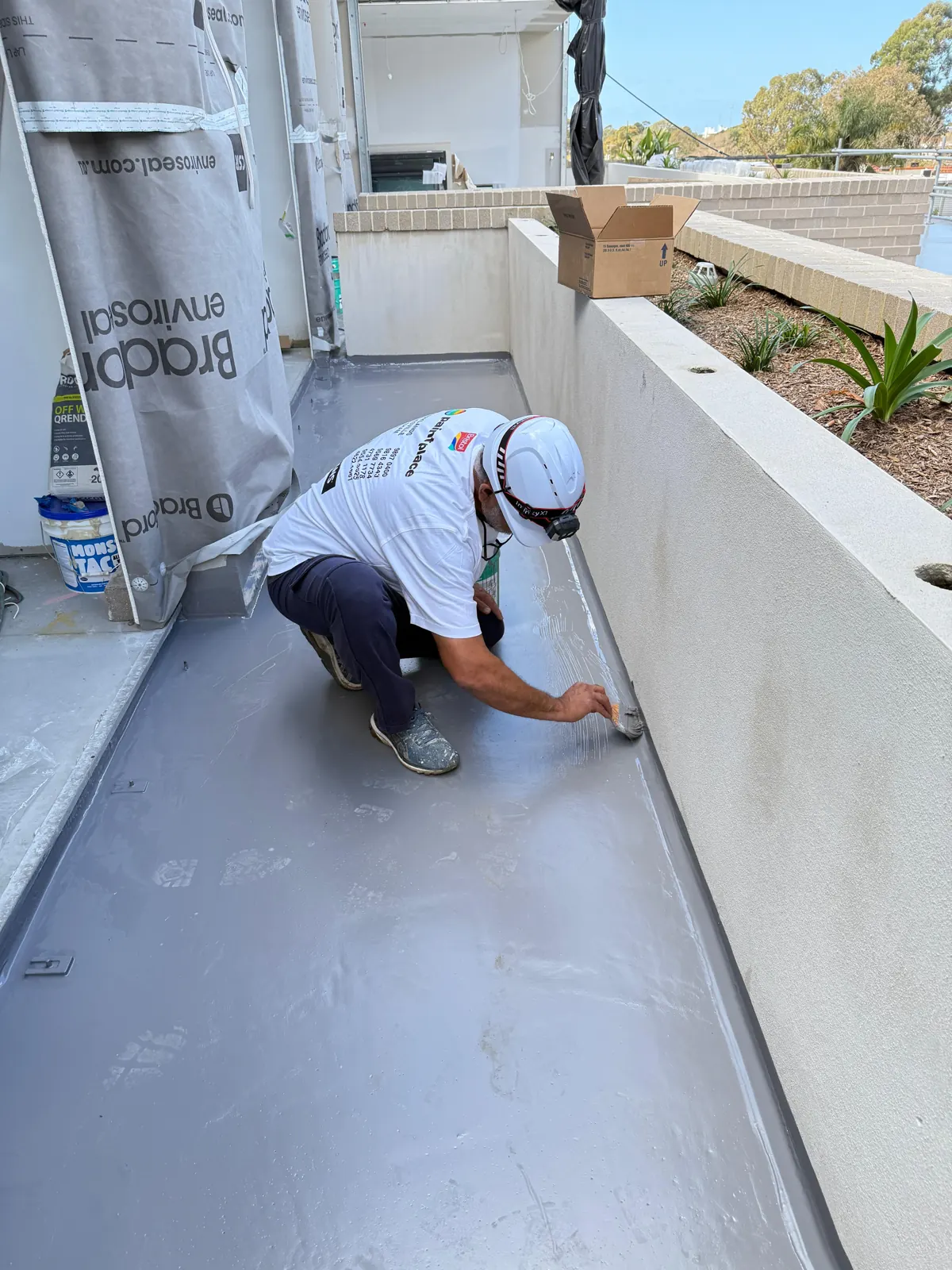
The membrane is the heart of any waterproofing system. Choosing the right type — and installing it to the correct thickness with proper detailing — is what separates a system that lasts from one that fails early.
We install a full range of membrane systems for internal wet areas, external balconies and roofs, below-ground structures and specialist applications.
Signs you need membrane waterproofing
- New construction needing a specified membrane system
- Existing membrane cracked, blistered or delaminated
- Change of use (e.g. roof to trafficable deck)
- Specification requires a particular system
- Leaks through joints or penetrations
- Membrane exposed to UV without protection
Membrane types we install
Liquid-applied membranes
Polyurethane, acrylic and hybrid liquid membranes are brushed, rolled or sprayed to form a seamless layer. They suit complex shapes and many penetrations. Correct dry film thickness is essential, so we apply the required number of coats and check coverage.
Sheet and torch-on membranes
Reinforced bitumen and synthetic sheet membranes provide consistent thickness and high durability over large areas such as commercial roofs and podiums. Laps and terminations are carefully sealed.
Cementitious membranes
Polymer-modified cementitious membranes bond strongly to concrete and are commonly used for below-ground, tanking and some wet area applications.
Standards
Internal wet area membranes are classified under AS 4858 and installed to AS 3740; external above-ground membranes are covered by AS 4654.1 and AS 4654.2. We follow these standards along with each manufacturer's system requirements, primers and compatible accessories.
Our membrane waterproofing process
-
1
System selection
We match the membrane to exposure, substrate, movement and finish.
-
2
Preparation
Substrates are cleaned, repaired and primed as the system requires.
-
3
Detailing
Junctions, penetrations and terminations are reinforced.
-
4
Application
Membrane applied to specified thickness with quality checks.
-
5
Testing
Flood or visual testing before finishes are installed.
Why choose us for membrane waterproofing
Full range of membrane technologies
Correct film thickness and coverage
Manufacturer-compatible accessories
Standards-based installation
Independent advice on the right system
Warranted workmanship